Table of Contents
What is Lightweight PU Fiberglass?
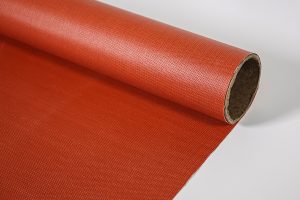
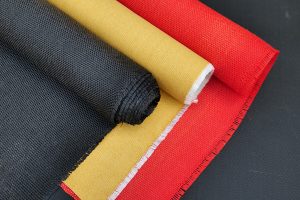
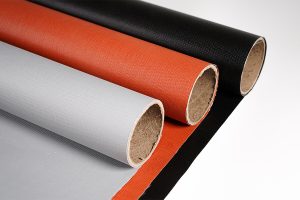
Lightweight PU fiberglass, short for polyurethane fiberglass, is a composite material that combines the strength of fiberglass with the lightweight properties of polyurethane. This dynamic blend results in a material that surpasses traditional options in several key aspects.
Applications in Manufacturing
The automotive industry has embraced Lightweight PU fiberglass for its ability to reduce vehicle weight without compromising structural integrity. Similarly, aerospace applications benefit from the material’s weight reduction, contributing to fuel efficiency. Sports equipment, from bicycles to helmets, has also witnessed a shift toward this advanced material for enhanced performance.
Properties of Lightweight PU Fiberglass
The primary allure of Lightweight PU fiberglass lies in its ability to significantly reduce weight while maintaining exceptional strength and durability. This combination opens doors to possibilities in design and functionality that were previously hindered by heavier materials.
Environmental Impact
Unlike some traditional materials, Lightweight PU fiberglass is environmentally friendly. Its production process generates fewer pollutants, and the material itself is recyclable, aligning with the growing emphasis on sustainability in manufacturing.
Comparison with Other Materials
In a direct comparison with traditional fiberglass, Lightweight PU fiberglass stands out due to its lower weight and increased flexibility. While carbon fiber has been a popular choice, the cost-effectiveness of PU fiberglass makes it a more attractive option for many applications.
Innovation and Technology
Advancements in PU fiberglass technology continue to push the boundaries of what is possible. Ongoing research and development efforts aim to enhance its properties, opening avenues for even more diverse applications across industries.
Case Studies
Real-world examples showcase the success of Lightweight PU fiberglass in various sectors. From automotive components to aircraft interiors, companies are achieving remarkable results by incorporating this innovative material into their products.
Challenges and Solutions
While Lightweight PU fiberglass brings numerous benefits, it’s essential to address potential challenges, such as specific environmental conditions affecting its performance. Rigorous testing and quality control measures help mitigate these challenges, ensuring the material’s reliability.
Future Trends
The future of Lightweight PU fiberglass looks promising, with an anticipated surge in demand across industries. As technologies continue to evolve, this material is expected to play a crucial role in shaping the manufacturing landscape.
Consumer Benefits
Manufacturers aren’t the only ones reaping the rewards. Consumers benefit from products made with Lightweight PU fiberglass through cost-effectiveness and increased product lifespan. These advantages contribute to a positive consumer experience.
How to Choose the Right Lightweight PU Fiberglass
For manufacturers considering the adoption of Lightweight PU fiberglass, several factors come into play. From understanding specific application requirements to ensuring consistent quality, making informed decisions is crucial.
Maintenance and Care
Contrary to misconceptions, products made from Lightweight PU fiberglass are relatively easy to maintain. Following simple care tips can extend the lifespan of these products, making them a practical choice for long-term use.
Industry Regulations and Standards
Compliance with industry regulations and adherence to quality control standards are paramount in the manufacturing process. Manufacturers must ensure that their Lightweight PU fiberglass products meet the required specifications to guarantee safety and reliability.
Conclusion
In conclusion, Lightweight PU fiberglass is revolutionizing industries by providing a winning combination of strength, durability, and reduced weight. As we witness its increasing adoption across various sectors, it’s evident that this innovative material is here to stay, reshaping the way we think about manufacturing materials.
Frequently Asked Questions
Yes, the material’s resistance to weather and chemicals makes it ideal for outdoor use.
Manufacturers adopting eco-friendly practices in production minimize environmental impact.
Yes, the material can be tailored to meet the specific needs of different industries.
Regular cleaning and inspection are recommended to ensure optimal performance.
Yes, ongoing innovations aim to further enhance the properties and applications of fiberglass with polyurethane.