Table of Contents
WHAT IS PVC FIBERGLASS CLOTH?
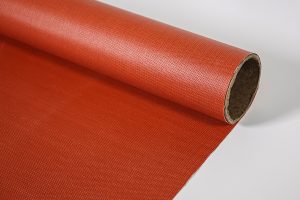
PVC fiberglass cloth, a versatile material with a wide range of applications, combines the durability and strength of fiberglass with the protective properties of PVC (Polyvinyl Chloride). This unique material has become a valuable asset in various industries due to its exceptional characteristics and performance. In this article, we will delve into the world of PVC fiberglass cloth, exploring its properties, applications, manufacturing process, and more.
Understanding PVC Fiberglass Cloth
PVC fiberglass cloth is a composite material formed by impregnating woven fiberglass fabric with polyvinyl chloride resin. This impregnation process creates a strong bond between the fibers and the PVC, resulting in a flexible yet robust material. PVC, a synthetic polymer, is known for its resistance to chemicals, abrasion, and environmental elements. When combined with fiberglass, which is renowned for its tensile strength and heat resistance, the resulting cloth offers exceptional performance.
APPLICATIONS OF PVC FIBERGLASS CLOTH
The versatility of PVC fiberglass cloth shines through its wide range of applications. It is commonly used in:
- Industrial Curtains: PVC fiberglass cloth is often used to create durable industrial curtains that provide protection against dust, noise, and environmental factors.
- Fire Blankets: Its fire-resistant properties make it an ideal material for manufacturing fire blankets used in emergency situations.
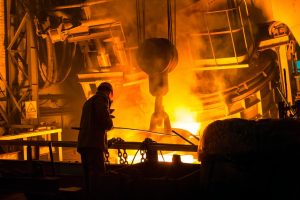
- Welding Curtains: The material’s ability to withstand high temperatures makes it suitable for welding curtains, ensuring safety in welding environments.
- Flexible Ducts: PVC fiberglass cloth is used to create flexible ducts in HVAC systems, offering durability and resistance to temperature variations.
- Insulation Jacketing: It is employed in insulation jacketing for its thermal resistance and moisture protection.
ADVANTAGES OF PVC FIBERGLASS CLOTH
- Durability: PVC fiberglass cloth is exceptionally durable, with a long lifespan, making it a cost-effective choice.
- Chemical Resistance: It can withstand exposure to various chemicals without deteriorating.
- Flame Resistance: Its flame-retardant properties ensure safety in potentially hazardous situations.
- Versatility: It can be tailored to different applications due to its flexibility and strength.
Manufacturing Process
The manufacturing of PVC fiberglass cloth involves several steps, including:
- Fiberglass Weaving: Fiberglass filaments are woven into a fabric, creating the base material.
- Coating Application: The woven fabric is passed through a bath of PVC resin, where it is thoroughly impregnated.
- Curing: The coated fabric is cured, ensuring the PVC resin hardens and bonds with the fiberglass.
- Cutting and Packaging: The cloth is cut into the desired dimensions and packaged for distribution.
Different Types of PVC Fiberglass Cloth
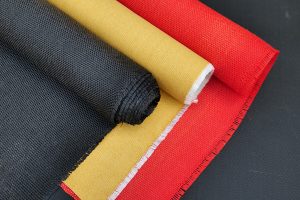
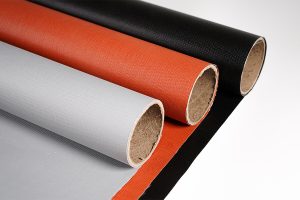
PVC fiberglass cloth comes in various types, including coated, laminated, and aluminized variants. These variations serve different purposes and offer specific benefits, such as enhanced insulation, heat reflection, or additional protection.
Choosing the Right PVC Fiberglass Cloth
Selecting the appropriate PVC fiberglass cloth for a specific application is crucial. Factors to consider include temperature resistance, chemical exposure, flexibility, and durability requirements. Consulting with experts in the field can aid in making the right choice.
Maintenance and Care
Maintaining PVC fiberglass cloth is relatively straightforward. Regular cleaning with mild detergents and avoiding exposure to harsh chemicals can prolong its lifespan. It’s essential to inspect the cloth periodically for any signs of wear and tear.
Comparing PVC Fiberglass Cloth with Alternatives
In comparison to alternative materials like rubber, neoprene, or silicone, PVC fiberglass cloth often stands out due to its superior durability and resistance to a wide range of conditions. A cost-benefit analysis may reveal its advantages in various applications.
Safety Considerations
When using PVC fiberglass cloth in industrial or safety-critical settings, adherence to safety guidelines is paramount. Proper training and equipment are essential to ensure a safe working environment.
Environmental Impact
It’s worth noting that while PVC fiberglass cloth offers many benefits, there are environmental considerations due to the use of PVC, which is not biodegradable. Research into sustainable alternatives is ongoing.
Innovations in PVC Fiberglass Cloth
Continual research and development have led to innovations in PVC fiberglass cloth, with an emphasis on eco-friendly alternatives and enhanced performance. Stay updated with the latest advancements in the field for improved solutions.
Conclusion
PVC fiberglass cloth, a fusion of PVC and fiberglass, is a remarkable material with a wide array of applications. Its durability, chemical resistance, and flame-retardant properties make it indispensable in various industries. Choosing the right type of PVC fiberglass cloth and ensuring proper care can maximize its benefits while minimizing its environmental impact.
FAQs
- PVC is not biodegradable, but some recycling options exist for PVC-based materials.
The temperature resistance can vary based on the specific type, but many can withstand temperatures up to 500°F (260°C) or more.
Yes, it is suitable for outdoor use due to its weather resistance.
It’s typically not recommended for direct food contact due to the use of PVC.
While PVC itself can release harmful chlorine gas when burned, the cloth is designed to be flame-resistant, minimizing such risks in most applications.