Insulating our living and working spaces has always been a crucial aspect of creating comfortable environments. In recent times, the spotlight has shifted towards high-performance insulation, revolutionizing the way we think about keeping our spaces warm in winter and cool in summer. In this article, we’ll delve into the world of high-performance insulation, exploring its characteristics, advantages, applications, and more.
Table of Contents
1. Introduction
What is High-Performance Insulation?
High-performance insulation refers to advanced materials designed to provide superior thermal resistance and energy efficiency compared to traditional insulation methods. It goes beyond merely keeping spaces warm or cool; it’s about optimizing energy use and creating environments that are both comfortable and sustainable.
The Importance of Insulation
Before we dive into high-performance options, let’s acknowledge the fundamental role insulation plays in various applications. Whether it’s a cozy home, a bustling office, or an industrial facility, proper insulation ensures optimal temperature control, contributing to energy savings and overall well-being.
2. Types of Insulation
Traditional vs. High-Performance
Traditional insulation methods have been reliable for years, but high-performance insulation takes things to the next level. While traditional materials have their merits, advancements in technology have given rise to a new generation of insulation materials that offer unparalleled performance.
Introduction to High-Performance Materials
High-performance insulation materials include innovative options like aerogel, polyurethane foam, and alternatives to traditional fiberglass. These materials boast exceptional thermal conductivity, durability, and environmental sustainability.
3. Characteristics of High-Performance Insulation
Thermal Conductivity
The key characteristic setting high-performance insulation apart is its low thermal conductivity. This property ensures that heat transfer is minimized, creating more energy-efficient spaces.
Durability and Longevity
High-performance insulation is designed to withstand the test of time. Its durability and longevity contribute to a cost-effective solution in the long run, reducing the need for frequent replacements.
Environmental Sustainability
With a growing focus on sustainability, high-performance insulation materials are often eco-friendly, aligning with the global push for greener building practices.
4. Common Applications
Residential Buildings
High-performance insulation is making waves in residential construction, providing homeowners with enhanced comfort and reduced energy bills. From walls to attics, these materials are transforming the way we insulate our homes.
Commercial Structures
In the realm of commercial buildings, high-performance insulation is becoming the go-to choice for architects and builders aiming to meet stringent energy efficiency standards. The result is spaces that are not only comfortable but also environmentally responsible.
Industrial Settings
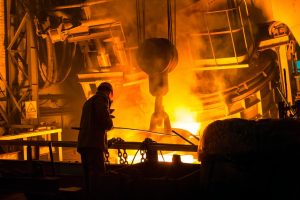
In industrial settings where temperature control is critical, high-performance insulation plays a vital role. From manufacturing facilities to warehouses, these materials contribute to maintaining optimal working conditions.
5. Advantages Over Traditional Insulation
Improved Energy Efficiency
The primary advantage of high-performance insulation is its superior energy efficiency. By minimizing heat transfer, these materials help reduce the reliance on heating and cooling systems, leading to significant energy savings.
Space-Saving Designs
High-performance insulation often allows for more compact designs without compromising efficiency. This is particularly valuable in situations where space is at a premium.
Cost-Effectiveness in the Long Run
While the upfront costs of high-performance insulation may be higher, the long-term savings in energy bills and the extended lifespan of the materials make it a cost-effective investment.
6. Types of High-Performance Insulation Materials
Aerogel
Aerogel, often referred to as “frozen smoke,” is an incredibly lightweight and efficient insulation material. Its low thermal conductivity makes it a top choice for applications where space is limited.
Polyurethane Foam
Polyurethane foam insulation provides excellent thermal resistance and can be applied as a spray, ensuring even coverage in hard-to-reach places. Its versatility makes it suitable for various construction scenarios.
Fiberglass Alternatives
In the quest for sustainability, alternatives to traditional fiberglass insulation have emerged. These materials maintain the effectiveness of fiberglass while addressing environmental concerns.
7. Installation Process
Professional Installation Tips
For optimal performance, it’s advisable to have high-performance insulation installed by professionals. Their expertise ensures proper application and maximizes the benefits of the chosen materials.
DIY Options for Smaller Projects
While some high-performance insulation projects may require professional installation, there are also options suitable for smaller, do-it-yourself projects. Homeowners can explore these options for cost-effective improvements.
8. Case Studies
Real-World Examples
To highlight the impact of high-performance insulation, let’s explore real-world case studies. From residential renovations to large-scale commercial projects, these examples showcase the transformative power of advanced insulation materials.
9. Challenges and Solutions
Addressing Misconceptions
As with any innovation, high-performance insulation may face misconceptions. Addressing these and providing accurate information is crucial for promoting widespread adoption.
Dealing with Potential Drawbacks
No solution is perfect, and high-performance insulation is no exception. Exploring potential drawbacks and offering solutions ensures a balanced understanding for those considering these materials.
10. Industry Trends and Innovations
Emerging Technologies
The field of insulation is dynamic, with ongoing research and development leading to exciting innovations. Stay informed about emerging technologies that could shape the future of high-performance insulation.
Future Developments to Watch For
From smart insulation systems to advancements in sustainable materials, the future holds promising developments that could further elevate the performance and eco-friendliness of insulation solutions.
11. Environmental Impact
Comparisons of Environmental Footprints
In the era of environmental consciousness, comparing the ecological footprints of different insulation materials is crucial. High-performance insulation’s sustainability credentials contribute to a greener construction industry.
Sustainable Practices in Insulation Manufacturing
Beyond the materials themselves, sustainable practices in the manufacturing of high-performance insulation play a vital role in reducing the overall environmental impact of these products.
12. Cost Considerations
Upfront Costs vs. Long-Term Savings
While the initial costs of high-performance insulation may seem higher than traditional options, it’s essential to consider the long-term savings in energy bills and maintenance. The return on investment in energy efficiency becomes evident over time.
Return on Investment in Energy Efficiency
Investing in high-performance insulation is not just an expense—it’s an investment in energy efficiency. Calculating the return on this investment helps decision-makers understand the economic benefits over the life of the insulation.
13. Maintenance Tips
Ensuring Insulation Effectiveness Over Time
To maximize the benefits of high-performance insulation, regular maintenance is key. Tips for ensuring the ongoing effectiveness of insulation will help users get the most out of their investment.
Periodic Inspections and Repairs
Scheduled inspections and prompt repairs address any wear and tear, maintaining the integrity of the insulation system and preventing potential energy losses.
14. Consumer Guide
Choosing the Right Insulation
Selecting the right high-performance insulation for specific needs involves considering factors such as application, budget, and sustainability goals. A comprehensive guide helps consumers make informed decisions.
Questions to Ask Insulation Professionals
When consulting with insulation professionals, asking the right questions ensures a clear understanding of the chosen materials and their suitability for the project at hand.
15. Conclusion
In conclusion, high-performance insulation represents a paradigm shift in creating energy-efficient, comfortable, and sustainable spaces. From residential homes to industrial complexes, the benefits of these advanced materials are reshaping the way we approach insulation. As we continue to prioritize efficiency and environmental responsibility, high-performance insulation stands as a beacon of innovation in the construction industry.
Frequently Asked Questions
High-performance insulation can be tailored to suit various climates, providing effective thermal resistance in both hot and cold regions.
Aerogel is known for its ultra-lightweight structure and exceptional thermal resistance, making it a top choice for space-constrained applications.
While initial costs may be higher, the long-term savings in energy bills and maintenance often make high-performance insulation more cost-effective.
Many governments offer incentives and rebates for using energy-efficient insulation materials, including some high-performance options.
While some projects are suitable for DIY installation, it’s advisable to consult with professionals for larger or more complex applications.