PVC fiberglass cloth is a versatile material known for its durability and resistance to various environmental factors. It is widely used in applications such as outdoor furniture, awnings, tents, and even marine covers. However, to ensure its longevity and optimal performance, proper care and maintenance are essential. In this article, we’ll discuss how to effectively care for PVC fiberglass cloth, keeping it in pristine condition for years to come.
Table of Contents
What is PVC Fiberglass Cloth?
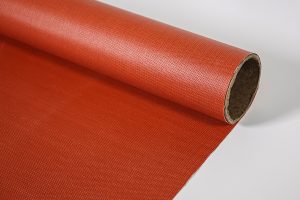
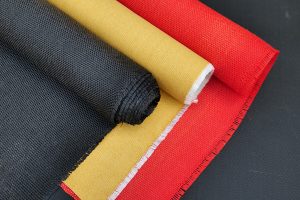
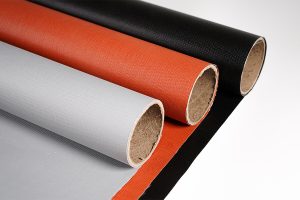
Before delving into maintenance, it’s crucial to understand what PVC fiberglass cloth is. PVC (polyvinyl chloride) coated fiberglass fabric is a synthetic material known for its remarkable strength and resistance to abrasion, chemicals, and fire. It’s often used in outdoor and industrial applications due to its impressive durability.
Importance of Caring for PVC Fiberglass Cloth
Caring for PVC fiberglass cloth is essential for several reasons:
- Longevity: Proper maintenance can significantly extend the lifespan of PVC fiberglass cloth, saving you money in the long run.
- Aesthetics: Regular upkeep ensures that your PVC fiberglass cloth looks appealing, enhancing the visual appeal of your outdoor furniture or other applications.
- Functionality: Well-maintained PVC fiberglass cloth maintains its effectiveness in providing protection from the elements, whether it’s rain, UV rays, or harsh weather conditions.
- Safety: In some applications, like marine covers, safety is paramount. Regular maintenance ensures that the material remains reliable and safe.
Cleaning PVC Fiberglass Cloth
Tools and Materials
To clean PVC fiberglass cloth effectively, you’ll need:
- Mild detergent
- Soft brush or sponge
- Warm water
- Bucket
Step-by-Step Cleaning Process
- Prepare a Cleaning Solution: Mix mild detergent with warm water in a bucket. This solution is gentle on the fabric.
- Brush Away Debris: Use a soft brush or sponge to gently remove any surface dirt or debris from the cloth.
- Scrub and Rinse: Dip the brush or sponge into the cleaning solution and gently scrub the PVC fiberglass cloth. Rinse thoroughly with clean water.
- Air Dry: Allow the cloth to air dry completely before storing it or using it again.
Storing PVC Fiberglass Cloth
Proper storage is crucial to prevent damage during the off-season or when not in use. Here are some tips:
- Clean Before Storage: Always ensure the cloth is clean and completely dry before storing it.
- Roll, Don’t Fold: Fold lines can weaken the fabric. Roll the cloth instead for safe storage.
- Use a Storage Bag: If possible, store the cloth in a breathable storage bag to protect it from dust and pests.
Preventing Damage and Wear
Protective Measures
To prevent damage and wear, consider the following protective measures:
- Regular Cleaning: As mentioned earlier, regular cleaning is essential.
- Avoid Sharp Objects: Be cautious with sharp objects that may puncture or scratch the cloth.
- Remove Snow Promptly: If used in snowy conditions, promptly remove accumulated snow to prevent stretching.
Repairing PVC Fiberglass Cloth
In case of minor damage, you can repair PVC fiberglass cloth using a patch kit designed for such materials. Follow the instructions provided with the kit for effective repairs.
UV Protection
UV rays can gradually degrade PVC fiberglass cloth. To protect it from sun damage:
- Consider using UV-resistant coatings or sprays.
- Store or cover the cloth when not in use for extended periods.
Mildew and Mold Prevention
Mildew and mold can be detrimental to PVC fiberglass cloth. To prevent their growth:
- Keep the cloth dry and well-ventilated.
- Store it in a cool, dry place.
- Use mildew-resistant sprays if necessary.
Conclusion
Caring for PVC fiberglass cloth is not only about maintaining its appearance but also ensuring its functionality and safety. By following the maintenance tips outlined in this article, you can enjoy the longevity and reliability of PVC fiberglass cloth in various applications. Keep your PVC fiberglass cloth in top condition, and it will continue to serve you well for years to come.
Frequently Asked Questions
Cleaning should be done at least once a season, or more frequently if you notice dirt or stains.
Machine washing is not recommended, as it can damage the fabric.
It’s advisable to store the cloth in a cool, dry place during harsh winter conditions to extend its lifespan.
Avoid bleach, as it can weaken the fabric. Stick to mild detergents.
For significant damage, it’s best to consult a professional for repair or consider replacing the damaged area.